Date: Jul 24, 2026 Day: Friday
In today's interconnected world, medical professionals often work with patients and colleagues from different cultural, linguistic, and social backgrounds. As a result, cultural awareness has become an essential part of modern medical education. Studying in a multicultural environment not only broadens students' perspectives but also helps them develop the communication and interpersonal skills required in global healthcare.
Jalal-Abad International University (JAIU), Kyrgyz Republic, welcomes students from different countries, creating a diverse and inclusive campus community. This multicultural atmosphere allows students to learn from one another, celebrate different traditions, and build friendships that extend beyond national borders. By promoting cultural diversity, JAIU prepares future doctors to work confidently in international healthcare settings.
This article explores how JAIU fosters cultural diversity and why it is an important part of the student experience.
Healthcare professionals interact with people from a wide range of cultural backgrounds throughout their careers.
Understanding cultural diversity helps future doctors:
Communicate more effectively with patients
Show respect for different beliefs and traditions
Improve teamwork in multicultural environments
Develop empathy and compassion
Build stronger professional relationships
Medical education that encourages cultural understanding prepares students for the realities of modern healthcare.
One of the defining features of JAIU is its diverse student population.
The university welcomes international students from various countries, creating a campus where different languages, cultures, and traditions come together. Students have the opportunity to interact with classmates who bring unique experiences and perspectives to the learning environment.
This international community helps students build friendships while gaining a broader understanding of the world.
Cultural learning does not happen only through lectures.
Daily interactions in classrooms, laboratories, hostels, and campus activities allow students to:
Learn about different customs
Exchange cultural experiences
Understand various traditions
Appreciate diverse viewpoints
Develop open-mindedness
These everyday experiences contribute significantly to students' personal growth.
JAIU offers its international MBBS program in English, providing a common language for students from different countries.
English-medium instruction enables students to:
Participate confidently in lectures
Communicate with classmates
Collaborate during practical sessions
Work effectively in group discussions
Having a shared language strengthens academic collaboration while supporting multicultural interaction.
Hostel accommodation plays an important role in promoting diversity.
Students living together often:
Share meals
Celebrate festivals
Learn new traditions
Exchange ideas
Support one another academically
Living alongside classmates from different countries creates meaningful friendships and helps students adapt more easily to university life.
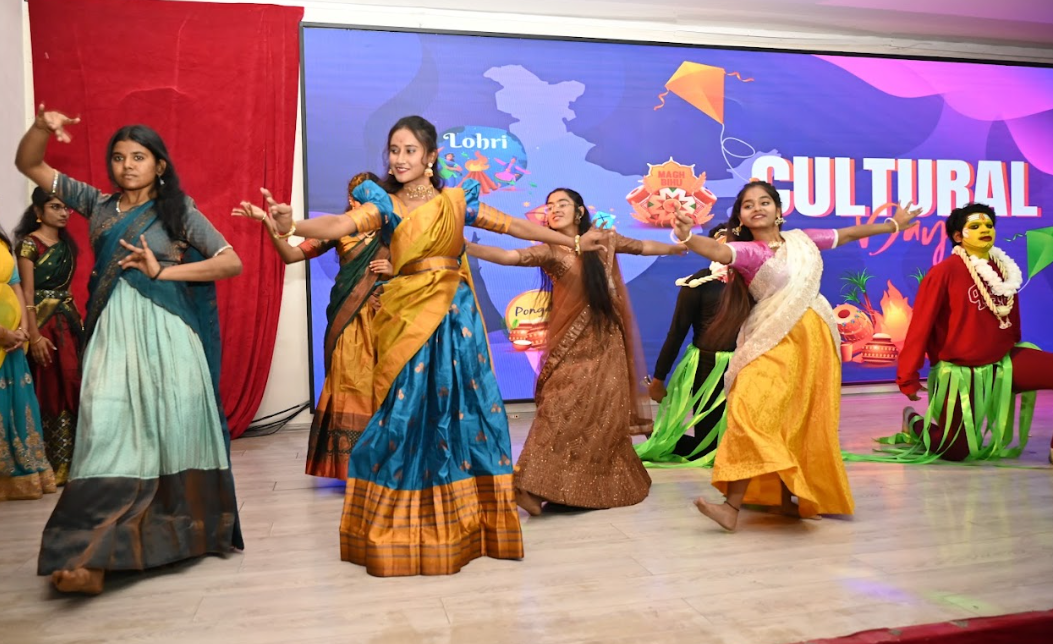
Universities often provide opportunities for students to celebrate important cultural and national occasions.
Participation in cultural programs allows students to:
Showcase their traditions
Learn about other cultures
Build mutual respect
Strengthen the university community
These events create memorable experiences while encouraging inclusiveness and appreciation for diversity.
Medical education requires teamwork.
JAIU encourages collaborative learning through:
Group discussions
Laboratory practicals
Academic presentations
Classroom activities
Clinical learning
Working with students from different backgrounds improves communication skills and prepares future doctors for multicultural healthcare teams.
Every student brings unique educational experiences and cultural values.
JAIU encourages respectful dialogue where students can exchange ideas while appreciating different opinions. This environment promotes mutual understanding and helps students develop professional communication skills.
Respect for diversity is an important quality for future healthcare professionals.
Communication is one of the most valuable skills in medicine.
Interacting with students from different countries helps learners:
Improve spoken English
Develop confidence
Strengthen interpersonal communication
Learn effective teamwork
Adapt to multicultural professional environments
These skills remain valuable throughout their medical careers.
Today's doctors often work in hospitals and healthcare organizations serving multicultural populations.
Studying in an international campus environment helps students understand:
Cultural sensitivity
Respectful communication
Inclusive healthcare practices
Team collaboration
Patient-centered care
Exposure to diversity during medical school prepares graduates for healthcare systems around the world.
Faculty members contribute to an inclusive learning environment by encouraging equal participation from all students.
Interactive teaching methods, classroom discussions, and practical sessions allow students from different backgrounds to share ideas and learn collaboratively.
This supportive approach helps every student feel valued and included.
One of the greatest benefits of studying abroad is the opportunity to build friendships across cultures.
Students often form lasting relationships through:
Hostel life
Group study
Laboratory work
Student activities
Cultural celebrations
These friendships often continue long after graduation, creating international professional networks.
Living in a multicultural environment helps students develop important life skills, including:
Adaptability
Respect for diversity
Emotional intelligence
Leadership
Confidence
Open-mindedness
These qualities contribute to both personal development and professional success.
A culturally diverse campus offers numerous advantages:
Better communication skills
Broader perspectives
Improved teamwork
Increased cultural awareness
Stronger global networks
Enhanced personal growth
Preparation for international careers
These experiences enrich the overall medical education journey.
International students value JAIU because it offers:
A welcoming international community
English-medium instruction
Opportunities for cultural exchange
Collaborative learning
Comfortable hostel life
Inclusive classroom environment
Diverse student population
Student-centered teaching
Global learning experiences
Supportive campus atmosphere
These features make campus life both academically rewarding and personally enriching.
Cultural diversity is an important part of preparing future healthcare professionals for an increasingly globalized world. At Jalal-Abad International University (JAIU), students study in a multicultural environment that encourages mutual respect, collaboration, and cross-cultural understanding.
Through international friendships, English-medium education, collaborative learning, and campus activities, JAIU helps students develop the communication skills, cultural awareness, and professional confidence needed to succeed in modern healthcare. Beyond earning an MBBS degree, students graduate with valuable global perspectives that benefit them throughout their medical careers.
All Blog Posts

 Jalal-Abad State University Gets Key Clarification for Indian MBBS Aspirants in Kyrgyzstan
How JAIU Students Can Make Their Clinical Training More Meaningful
India–Kyrgyzstan Relations 2026: A New Chapter for Students at JAIU
How Technology Is Transforming Medical Education at JA
From Classroom to Clinic: How JAIU Students Develop Practical Medical Skills
Jalal-Abad State University Gets Key Clarification for Indian MBBS Aspirants in Kyrgyzstan
How JAIU Students Can Make Their Clinical Training More Meaningful
India–Kyrgyzstan Relations 2026: A New Chapter for Students at JAIU
How Technology Is Transforming Medical Education at JA
From Classroom to Clinic: How JAIU Students Develop Practical Medical Skills