
Date: Jul 21, 2026 Day: Tuesday
Preparing to study MBBS abroad is an exciting milestone, but packing for a new country can feel overwhelming. Many international students wonder what they should carry, what they can purchase after arrival, and how to prepare for a comfortable transition to university life. Packing wisely not only reduces travel stress but also ensures that students have everything they need during their first few weeks at university.
If you are planning to begin your medical education at Jalal-Abad International University (JAIU), Kyrgyz Republic, this guide will help you prepare a practical packing checklist before your journey.
Your documents are the most important items to carry while traveling abroad. Keep all original documents in a secure folder and carry photocopies as backup.
Your document file should generally include:
Valid passport
Student visa (if applicable)
Admission/Offer Letter from JAIU
Academic certificates and mark sheets
Passport-size photographs
Birth certificate (if required)
Medical fitness or vaccination records (if required)
Travel tickets
Travel insurance documents (if applicable)
Emergency contact information
It is also a good idea to keep scanned digital copies of all important documents stored securely online.
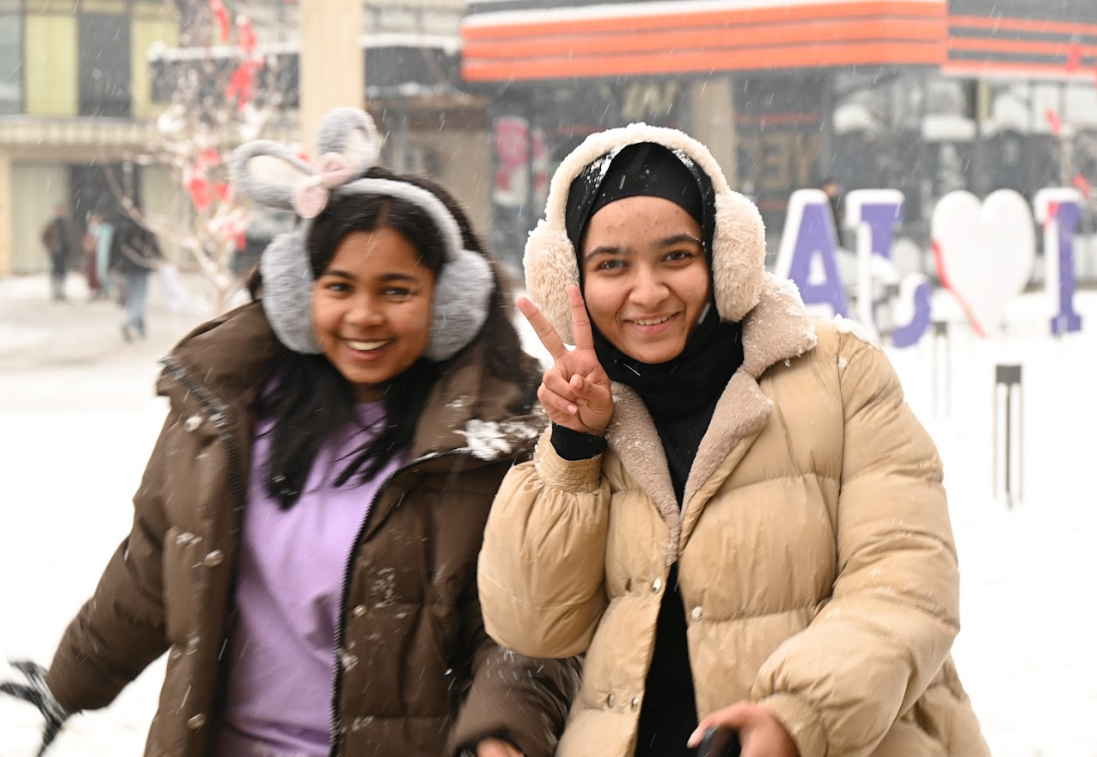
Kyrgyzstan experiences different weather conditions throughout the year, including cold winters. Students should carry clothing suitable for multiple seasons.
Recommended clothing includes:
Comfortable everyday clothes
Formal outfits for university events
Warm jackets
Sweaters and hoodies
Thermal wear (for winter)
Comfortable jeans and trousers
T-shirts and shirts
Sleepwear
Undergarments
Socks
Gloves, scarf, and winter cap
Rain jacket or umbrella
If you are arriving during the winter season, warm clothing becomes especially important.
Medical students spend considerable time attending lectures, laboratories, and clinical sessions.
Carry:
Comfortable walking shoes
Casual footwear
Slippers or sandals
Formal shoes for presentations or official events
Comfortable footwear makes daily campus life much easier.
Bring enough personal care items for the first few weeks until you become familiar with local stores.
Suggested items include:
Toothbrush and toothpaste
Soap
Shampoo
Hairbrush or comb
Face wash
Moisturizer
Sunscreen
Nail cutter
Towel
Personal hygiene products
After settling in, students can purchase additional supplies locally if needed.
If you take regular medication, carry an adequate supply along with a valid prescription from your doctor.
You may also pack a small first-aid kit containing:
Fever medicine
Pain reliever
Cold and cough medicine
Bandages
Antiseptic cream
Basic digestive medicine
Always check airline and customs regulations before carrying medicines internationally.
Electronic devices play an important role in modern medical education.
Recommended items include:
Laptop
Mobile phone
Laptop charger
Phone charger
Power bank
USB drive
Earphones or headphones
Universal travel adapter
A laptop is especially useful for online learning, assignments, presentations, and accessing digital medical resources.
Although textbooks are available through university resources, carrying a few basic study supplies is helpful.
Pack:
Notebooks
Pens
Highlighters
Sticky notes
Scientific calculator (if required)
Backpack
File folders
These items help students stay organized from the first day of classes.
Some everyday items make hostel life more comfortable.
Consider carrying:
Water bottle
Reusable coffee mug
Small umbrella
Laundry bag
Lock for luggage
Small sewing kit
Reusable shopping bag
These simple items can be surprisingly useful during the first few weeks.
Depending on your personal preferences, you may choose to bring a few familiar food items.
Some students carry:
Instant snacks
Tea or coffee
Ready-to-eat food
Basic spices (within airline regulations)
Avoid carrying large quantities, as many everyday groceries can usually be purchased locally.
Before traveling, make sure you have access to funds for initial expenses.
Carry:
Some local currency or internationally accepted currency as appropriate
International debit or credit card
Emergency cash
Avoid carrying excessive amounts of cash while traveling.
Divide your belongings into categories:
Documents
Clothing
Electronics
Medicines
Toiletries
Study materials
Packing organizers or travel cubes can help keep luggage neat and make unpacking easier after arrival.
Many students bring far more than necessary.
Generally, you do not need to carry:
Large quantities of books
Excessive clothing
Bulky household items
Heavy kitchen equipment
Too many shoes
Large amounts of toiletries
Most everyday necessities are available after arrival, so packing light makes travel more convenient.
If you will be staying in the university hostel, remember that you will be sharing your living space with other students.
Useful hostel items include:
Bedsheet (if preferred)
Pillow cover
Small blanket (optional, depending on travel season)
Reusable storage containers
Personal organizers
A few personal comfort items can help you settle into your new environment quickly.
Packing is not only about physical belongings.
Students should also prepare themselves for:
Living independently
Managing their daily routine
Meeting new people
Experiencing a different culture
Following university schedules
Adapting to academic responsibilities
A positive attitude makes the transition much smoother.
Before leaving for Kyrgyzstan, make sure you have:
✔ Passport
✔ Visa (if applicable)
✔ Admission documents
✔ Flight tickets
✔ Essential clothing
✔ Medicines
✔ Laptop and chargers
✔ Study supplies
✔ Emergency contact numbers
✔ Travel funds
Checking everything one final time can help avoid last-minute stress.
Packing thoughtfully offers several advantages:
Easier airport travel
Faster hostel setup
Better organization
Reduced stress
Smooth transition to university life
Greater confidence during the first few weeks
Being well prepared allows students to focus on their academics from the very beginning.
Joining Jalal-Abad International University (JAIU) is the beginning of an exciting journey toward a medical career. Careful preparation before departure can make your transition to life in Kyrgyzstan much more comfortable and stress-free.
By carrying the right documents, clothing, study materials, personal essentials, and electronic devices, students can settle into university life with confidence. While every student's needs may vary, packing wisely ensures that you arrive ready to begin your MBBS journey and make the most of your experience at JAIU.
All Blog Posts

 Jalal-Abad State University Gets Key Clarification for Indian MBBS Aspirants in Kyrgyzstan
How JAIU Students Can Make Their Clinical Training More Meaningful
India–Kyrgyzstan Relations 2026: A New Chapter for Students at JAIU
How Technology Is Transforming Medical Education at JA
From Classroom to Clinic: How JAIU Students Develop Practical Medical Skills
Jalal-Abad State University Gets Key Clarification for Indian MBBS Aspirants in Kyrgyzstan
How JAIU Students Can Make Their Clinical Training More Meaningful
India–Kyrgyzstan Relations 2026: A New Chapter for Students at JAIU
How Technology Is Transforming Medical Education at JA
From Classroom to Clinic: How JAIU Students Develop Practical Medical Skills