Date: Jun 24, 2026 Day: Wednesday
Choosing the right medical university is one of the most important decisions for aspiring doctors. While factors such as tuition fees, infrastructure, and recognition are important, the quality of a university's medical training system ultimately determines how well students are prepared for real-world healthcare practice.
Jalal-Abad International University (JAIU) has built its medical education around a balanced approach that combines theoretical learning, practical laboratory work, clinical exposure, modern teaching methods, and student-centered academic support. The university aims to equip students with the knowledge, clinical skills, and professional values needed to succeed in today's evolving healthcare environment.
This article explores the key features that make JAIU's medical training system stand out for international students pursuing MBBS.
Medical education begins with understanding the fundamentals. At JAIU, students are introduced to subjects such as Anatomy, Physiology, Biochemistry, Pathology, Pharmacology, and Microbiology through a structured curriculum designed to build strong conceptual knowledge.
Instead of relying solely on memorization, the university encourages students to understand the scientific principles behind diseases, diagnosis, and treatment. This foundation supports students throughout their clinical years and future medical careers.
Healthcare is constantly evolving, and medical education must evolve with it.
JAIU uses modern teaching approaches that include:
These methods encourage active participation and help students develop critical thinking skills.
Practical learning is an essential part of becoming a doctor.
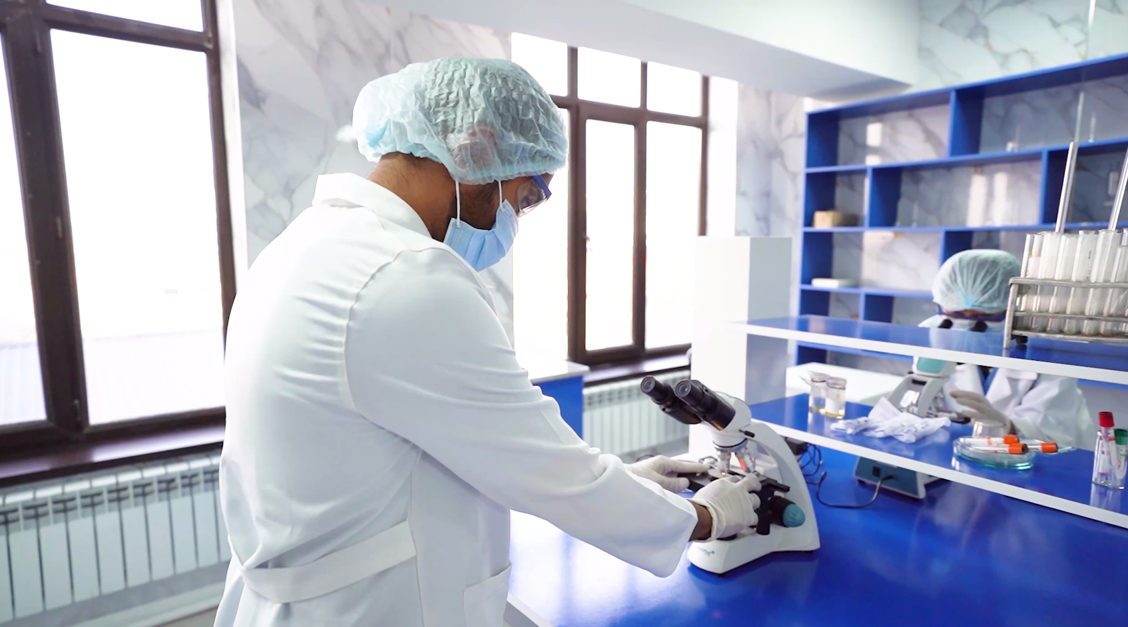
JAIU provides access to modern laboratories where students gain hands-on experience in:
Laboratory sessions help students connect classroom knowledge with practical medical applications.
One of the strengths of JAIU's medical training system is its emphasis on clinical learning.
Students gradually transition from classroom education to hospital-based training, where they observe patient care, understand disease management, and learn from experienced medical professionals.
Clinical exposure helps students:
Medical education becomes meaningful when students interact with patients under professional supervision.
JAIU provides clinical training through affiliated hospitals where students gain experience in different medical departments. During clinical rotations, students learn about:
Hospital-based learning allows students to experience the daily responsibilities of healthcare professionals.
Qualified and experienced faculty play a major role in shaping future doctors.
JAIU's teaching team includes professors and medical professionals who guide students through:
Faculty members encourage students to ask questions, participate actively, and strengthen their medical understanding.
Every student learns at a different pace.
JAIU supports students by providing:
This personalized approach helps students overcome academic challenges and remain focused throughout the MBBS program.
Modern healthcare requires doctors to possess both medical knowledge and practical skills.
JAIU emphasizes the development of:
These competencies prepare students for clinical practice after graduation.
Regular evaluation helps students monitor their academic progress.
JAIU conducts:
Continuous assessment allows students to identify weaknesses early and improve consistently.
Technology has transformed medical education worldwide.
JAIU supports learning through digital resources, including:
These tools allow students to continue learning beyond the classroom.
Medical research encourages students to think scientifically and contribute to healthcare advancements.
JAIU promotes academic curiosity by encouraging students to:
Research experience strengthens analytical skills and supports future postgraduate studies.
JAIU welcomes students from different countries, creating a multicultural academic community.
Learning alongside international students helps develop:
These experiences prepare graduates for international medical careers.
Medical graduates often pursue licensing examinations depending on the country where they intend to practice.
JAIU supports students by strengthening core medical concepts through:
Students should always follow the latest licensing requirements applicable in their chosen country of practice.
Medical education is not limited to textbooks.
JAIU encourages students to develop:
These qualities are essential for successful healthcare professionals.
Many international students choose JAIU because the university combines quality education with practical medical training and a supportive campus environment.
Some of the key advantages include:
These features make JAIU an attractive destination for students planning to pursue MBBS abroad.
A successful medical career begins with quality education and meaningful clinical training. JAIU's medical training system focuses on building strong academic foundations, practical clinical skills, professional ethics, and lifelong learning habits. Through modern laboratories, experienced faculty, hospital-based training, continuous assessments, and a student-centered approach, the university aims to prepare graduates for the challenges of modern healthcare.
For students seeking an MBBS program that combines academic excellence with practical experience and international exposure, Jalal-Abad International University continues to provide a comprehensive learning environment that supports both personal growth and professional success.
All Blog Posts

 Jalal-Abad State University Gets Key Clarification for Indian MBBS Aspirants in Kyrgyzstan
How JAIU Students Can Make Their Clinical Training More Meaningful
India–Kyrgyzstan Relations 2026: A New Chapter for Students at JAIU
How Technology Is Transforming Medical Education at JA
From Classroom to Clinic: How JAIU Students Develop Practical Medical Skills
Jalal-Abad State University Gets Key Clarification for Indian MBBS Aspirants in Kyrgyzstan
How JAIU Students Can Make Their Clinical Training More Meaningful
India–Kyrgyzstan Relations 2026: A New Chapter for Students at JAIU
How Technology Is Transforming Medical Education at JA
From Classroom to Clinic: How JAIU Students Develop Practical Medical Skills