Date: Jul 03, 2026 Day: Friday
Choosing the right medical university is one of the most important decisions for aspiring doctors. International students look for institutions that offer recognized degrees, experienced faculty, modern infrastructure, and practical clinical exposure. Jalal-Abad International University (JAIU) in the Kyrgyz Republic has established itself as a destination for students seeking quality medical education in an affordable and internationally oriented environment.
The university focuses on maintaining academic standards while creating a supportive learning atmosphere for students from different countries. Through structured teaching methods, practical training, modern facilities, and internationally recognized academic practices, JAIU aims to prepare students for successful medical careers.
One of the key indicators of educational quality is official recognition. Jalal-Abad International University is recognized by the Ministry of Education and Science of the Kyrgyz Republic and operates under a valid license to provide higher medical education.
This recognition ensures that the university follows the country's higher education regulations and maintains approved academic standards for its medical programs. Students can pursue their education knowing they are enrolled in an officially authorized institution.
Quality medical education is also reflected through international recognition. JAIU has received recognition from respected organizations involved in higher education and medical quality assurance, including:
These recognitions demonstrate the university's commitment to maintaining educational quality, continuous improvement, and internationally accepted academic practices.
A well-designed curriculum is essential for developing competent medical professionals.
The MBBS program at JAIU is structured to provide students with a balanced understanding of both basic medical sciences and clinical medicine. Throughout the program, students study subjects such as:
The curriculum gradually progresses from foundational sciences to advanced clinical subjects, enabling students to build strong medical knowledge over the duration of the program.
Language can significantly influence learning outcomes for international students.
To make medical education more accessible, JAIU offers its MBBS program in English for international students. English-medium instruction allows students to understand lectures, laboratory demonstrations, and academic discussions without facing major language barriers.
This helps students concentrate on mastering medical concepts while also improving their professional communication skills.
The quality of education largely depends on the expertise of the teaching staff.
JAIU is supported by experienced professors, medical specialists, and academic professionals who guide students throughout their studies. Faculty members emphasize conceptual understanding rather than rote learning and encourage classroom interaction, discussions, and critical thinking.
Students also receive academic mentoring and support to help them overcome challenges during their medical education.
Medicine is a practical profession that requires hands-on experience alongside theoretical learning.
JAIU provides laboratory-based education in subjects such as anatomy, physiology, biochemistry, microbiology, and pathology. Practical sessions help students understand scientific concepts through observation, experimentation, and clinical application.
Laboratory education strengthens the connection between classroom knowledge and real-world medical practice.
One of the most important aspects of medical education is direct exposure to patient care.
JAIU integrates clinical learning into its academic framework, allowing students to gain practical experience through hospital-based education. During clinical rotations, students observe healthcare professionals, participate in case discussions, and learn about diagnosis, treatment planning, and patient management under academic supervision.
This practical exposure helps students develop confidence and clinical skills that are essential for future medical practice.
Medical education continues to evolve with advancements in technology and healthcare practices.
JAIU incorporates modern teaching approaches that may include:
These teaching methods encourage active learning and improve students' understanding of complex medical concepts.
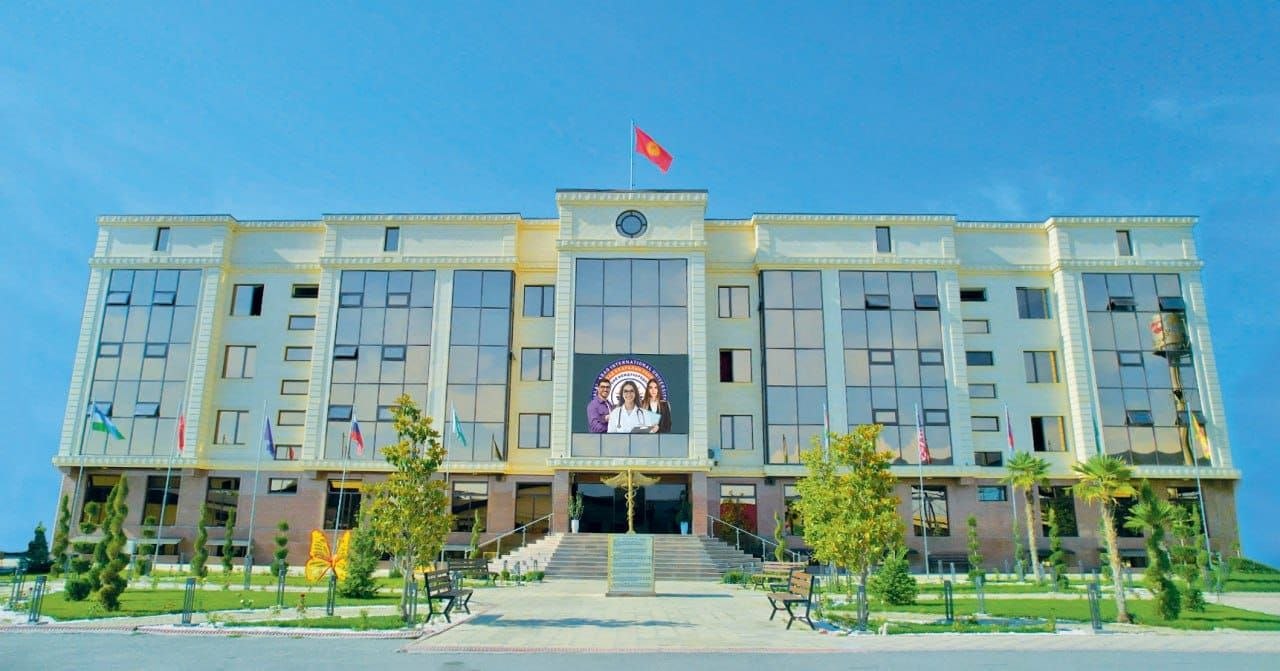
A quality educational environment requires appropriate infrastructure.
JAIU provides facilities that support academic learning, including:
These resources enable students to engage in independent learning while complementing classroom instruction.
Students from different countries study at Jalal-Abad International University, creating a multicultural learning environment.
Studying with peers from various cultural and educational backgrounds promotes teamwork, communication skills, and cross-cultural understanding. These experiences are valuable for future healthcare professionals who may work with diverse patient populations.
Moving to another country for higher education can be challenging.
JAIU provides support to international students throughout their academic journey. Assistance may include:
Such services help students settle comfortably and focus on their education.
Beyond academic excellence, JAIU encourages students to develop professional qualities that are essential in modern healthcare.
Students are motivated to improve:
Developing these competencies prepares graduates for the demands of the healthcare profession.
A positive campus environment contributes to effective learning.
JAIU aims to provide a safe, inclusive, and academically focused atmosphere where international students can pursue their education comfortably. A supportive environment helps students adapt to life abroad while maintaining academic performance.
Maintaining quality education requires regular evaluation and improvement.
The university works to enhance its academic programs through curriculum development, faculty engagement, updated teaching practices, and adherence to recognized educational standards. Continuous improvement helps ensure that students receive relevant and up-to-date medical education.
Many international students select Jalal-Abad International University because it offers:
These factors contribute to an educational environment designed to support both academic achievement and professional growth.
Quality medical education goes beyond textbooks and classrooms. It requires recognized academic standards, experienced faculty, practical clinical exposure, modern infrastructure, and continuous student support.
Jalal-Abad International University (JAIU) strives to provide international students with a comprehensive medical education through a structured curriculum, English-medium instruction, practical training, and a supportive learning environment. By focusing on both academic excellence and professional development, the university aims to prepare future doctors with the knowledge, skills, and confidence required for successful medical careers
All Blog Posts

 Why Parents Trust JAIU for Their Child's MBBS Education
Why International Students Continue to Choose JAIU Every Year
NTA Extends NEET UG 2026 Fee Refund Bank Details Update Facility Till July 31
How JAIU is Shaping the Future of Global Medical Education
NEET UG 2026 Scorecard Download Activity Increases Among Students
Why Parents Trust JAIU for Their Child's MBBS Education
Why International Students Continue to Choose JAIU Every Year
NTA Extends NEET UG 2026 Fee Refund Bank Details Update Facility Till July 31
How JAIU is Shaping the Future of Global Medical Education
NEET UG 2026 Scorecard Download Activity Increases Among Students