
Date: Jun 29, 2026 Day: Monday
Becoming a successful doctor requires much more than learning medical theories from textbooks. Clinical confidence—the ability to apply medical knowledge in real healthcare settings, communicate effectively with patients, and make informed decisions—is one of the most important qualities every medical student must develop.
For MBBS students, confidence is built gradually through practical learning, clinical exposure, faculty guidance, and continuous practice. Jalal-Abad International University (JAIU) recognizes the importance of hands-on medical education and provides a learning environment that helps students develop the clinical skills and professional confidence needed for their future careers.
This article explains how JAIU supports students in building clinical confidence throughout their MBBS journey.
Clinical confidence is the ability of a medical student to apply theoretical knowledge while interacting with patients in real healthcare settings. It includes:
Developing these abilities takes time, structured training, and guidance from experienced medical professionals.
Every confident doctor begins with a strong understanding of medical science.
JAIU's MBBS curriculum covers essential subjects such as:
A solid academic foundation enables students to understand diseases, treatments, and clinical procedures before entering hospital training.
Learning becomes more effective when students actively participate in the classroom.
JAIU uses teaching methods that encourage students to think critically through:
These approaches help students develop problem-solving skills and prepare for real-world medical situations.
Laboratory sessions are an essential step in building confidence before entering clinical environments.
Students receive practical training in:
Hands-on laboratory experience allows students to understand medical concepts more effectively and improve technical competence.
One of the most valuable aspects of medical education is early exposure to hospitals and patient care.
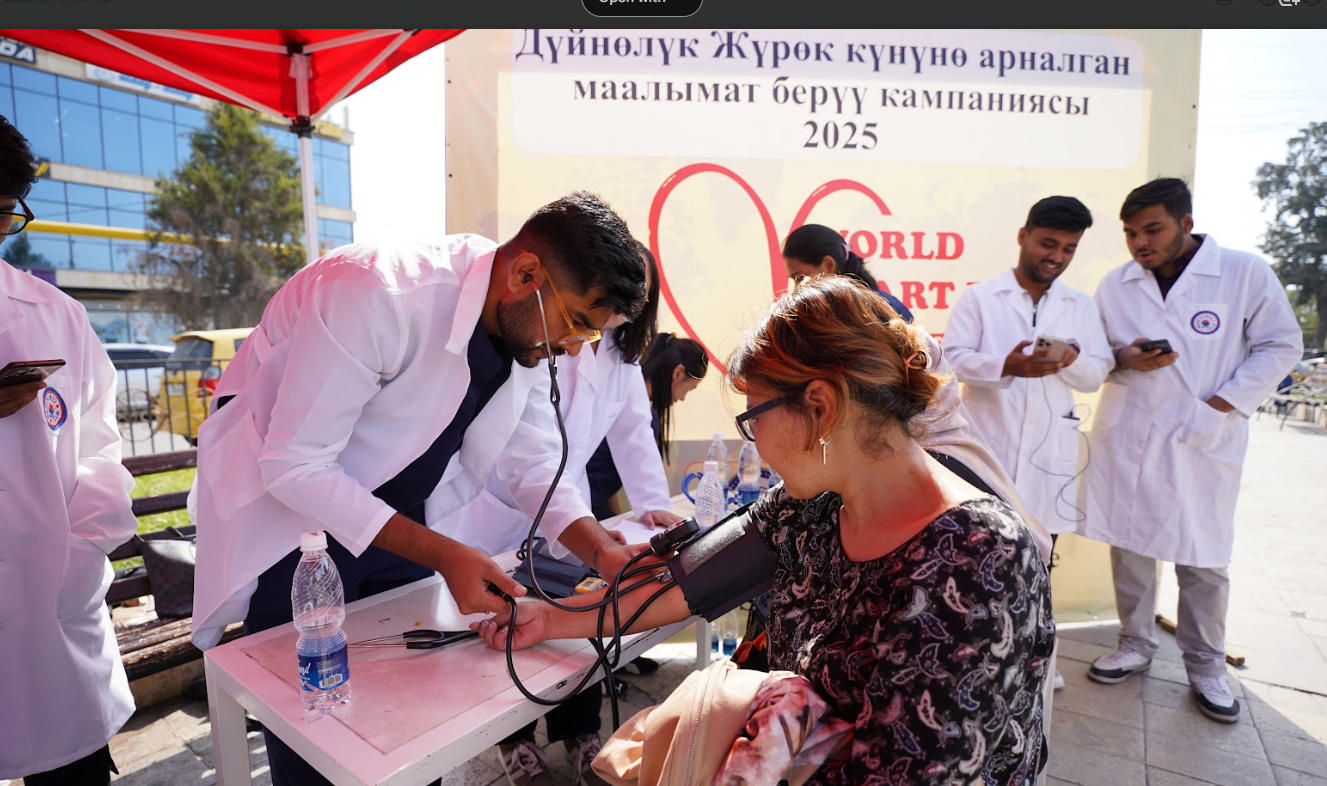
As students progress through the MBBS program, JAIU provides supervised clinical exposure where students observe healthcare professionals and understand how medical knowledge is applied in practice.
Clinical learning helps students:
Clinical postings provide opportunities for students to learn directly from experienced doctors.
During hospital rotations, students gain exposure to departments such as:
These experiences allow students to gradually develop confidence while working under supervision.
Experienced faculty members play a major role in building students' confidence.
At JAIU, professors and clinicians support students through:
Constructive mentorship helps students improve both their medical knowledge and professional skills.
Observation is an important part of medical education.
Students learn by watching experienced healthcare professionals:
These experiences help students understand professional standards before taking on greater responsibilities.
Effective communication is essential for every doctor.
JAIU encourages students to improve their communication through:
Good communication helps future doctors build trust with patients and collaborate effectively with healthcare teams.
Confidence grows through regular practice and feedback.
JAIU evaluates students using:
These assessments help students identify areas for improvement and strengthen their clinical understanding.
Clinical confidence must always be accompanied by professionalism.
JAIU emphasizes:
These values help students become responsible healthcare professionals.
Technology supports better medical education.
JAIU provides access to:
These resources allow students to continue learning beyond the classroom.
Healthcare is a collaborative profession.
Students participate in:
Working with classmates helps improve communication, leadership, and teamwork skills.
The confidence developed during MBBS plays an important role in future career success.
By combining theoretical education with practical clinical exposure, JAIU prepares students for:
Students planning to practice in India or another country should also ensure they meet the applicable licensing and regulatory requirements.
Many international students prefer JAIU because it offers:
These features create an environment where students can grow academically while building confidence in their clinical abilities.
Clinical confidence is not developed overnight—it is built through consistent learning, practical experience, mentorship, and patient interaction. A medical university plays a vital role in providing students with the opportunities and support needed to become capable healthcare professionals.
Jalal-Abad International University combines classroom education, practical laboratory sessions, supervised clinical exposure, experienced faculty, and modern teaching methods to help students develop the confidence required for successful medical practice. By focusing on both clinical competence and professional growth, JAIU prepares future doctors to meet the challenges of modern healthcare with knowledge, skill, and confidence.
All Blog Posts

 Jalal-Abad State University Gets Key Clarification for Indian MBBS Aspirants in Kyrgyzstan
How JAIU Students Can Make Their Clinical Training More Meaningful
India–Kyrgyzstan Relations 2026: A New Chapter for Students at JAIU
How Technology Is Transforming Medical Education at JA
From Classroom to Clinic: How JAIU Students Develop Practical Medical Skills
Jalal-Abad State University Gets Key Clarification for Indian MBBS Aspirants in Kyrgyzstan
How JAIU Students Can Make Their Clinical Training More Meaningful
India–Kyrgyzstan Relations 2026: A New Chapter for Students at JAIU
How Technology Is Transforming Medical Education at JA
From Classroom to Clinic: How JAIU Students Develop Practical Medical Skills